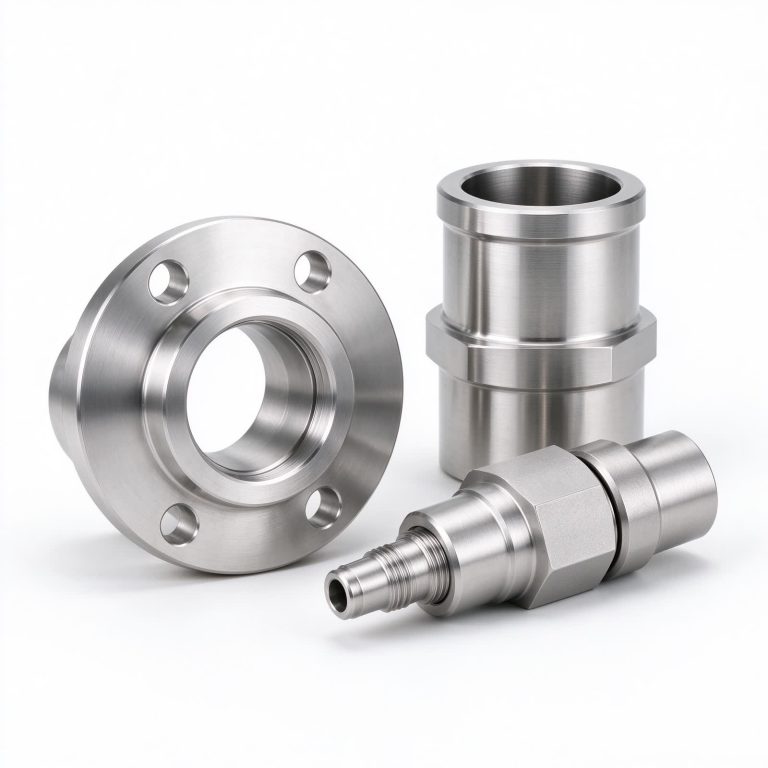
Stainless Steel CNC Parts — 304, 316L & 17-4PH Precision Machining
Contact for quote
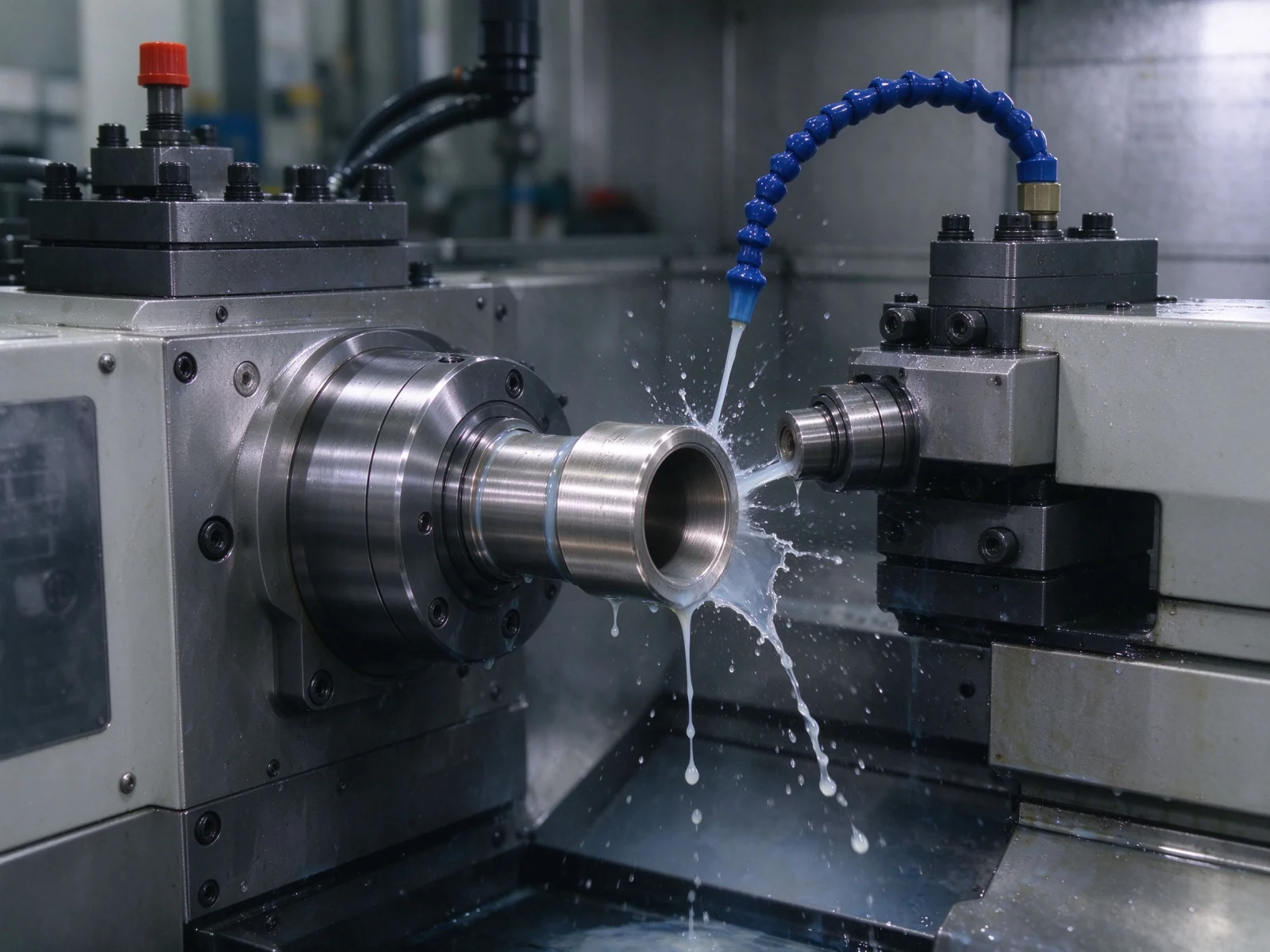
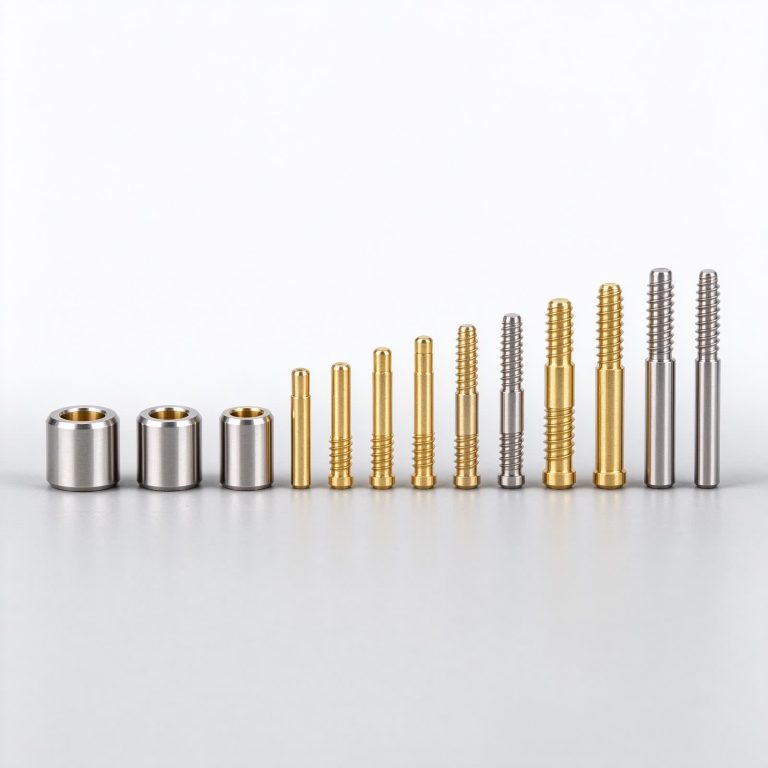
These bushings are turned from bar stock on Swiss-type lathes, where the guide bushing supports the work right at the cutting edge. Bore and outside diameter are cut in the same pass, so the wall stays concentric instead of drifting with tool load, which is what holds ±0.005 mm on a part only 3 mm long. We turn 304 and 316L to your drawing: plain sleeve, flanged, or stepped. Bore, outside diameter, length and chamfer are taken straight from your model or print. Typical use: guide and wear bushings in medical devices, locating bushings on automation fixtures, and spacer bushings in machine assemblies.
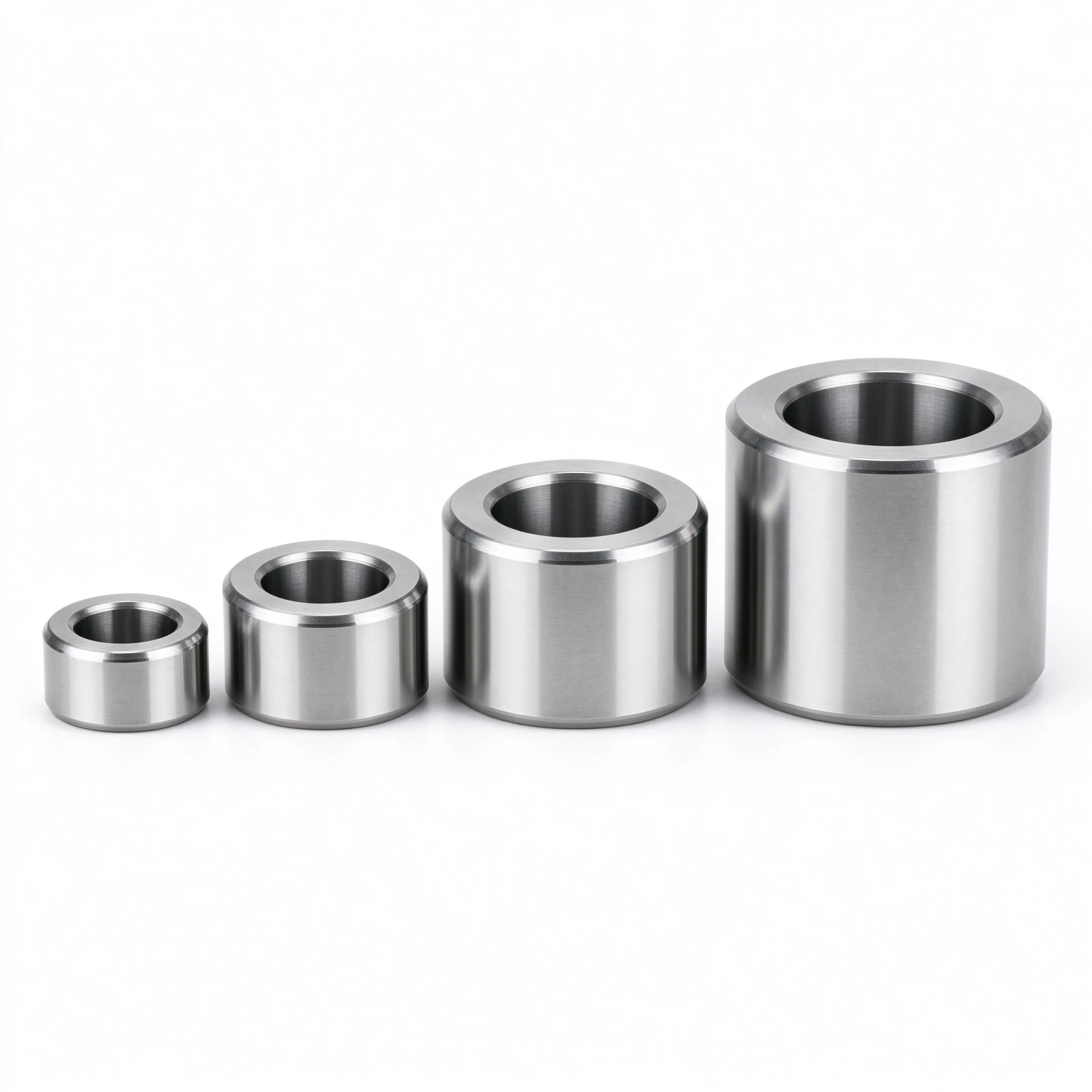
The range covers bores from 1 mm to 50 mm and lengths from 3 mm to 30 mm, which spans everything from a 1 mm guide bushing for an instrument to a 50 mm sleeve for a machine frame. Wall thickness and step depth are open inside that envelope. Thin walls are the hard case, because the bore springs back after the tool leaves. We adjust the stock and the support for those parts, and the tolerance is applied to the bore and the outside diameter you call out, not to a nominal.
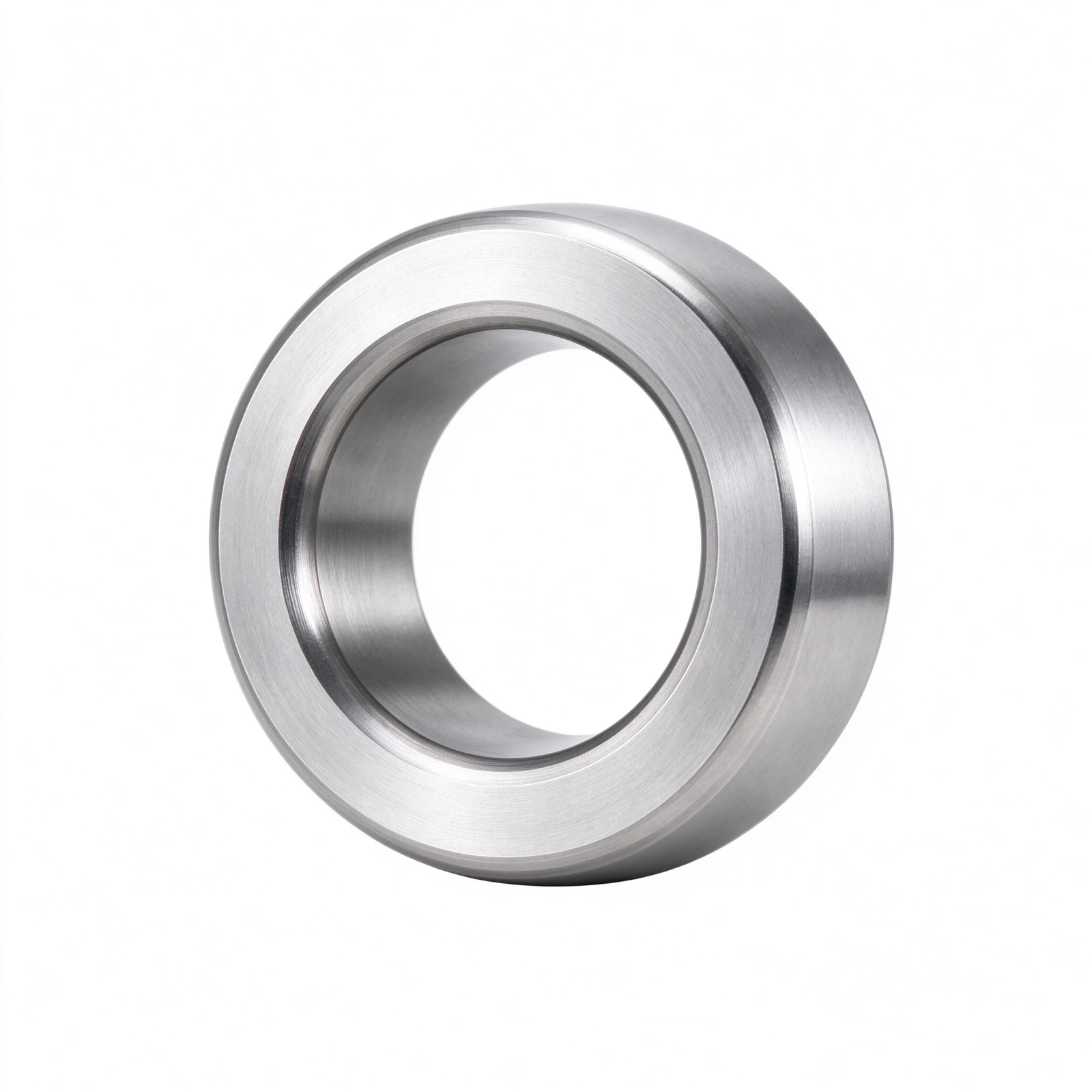
Flanged bushing
A shoulder on one end sets the insertion depth, so the bushing seats square in the housing without a separate spacer.
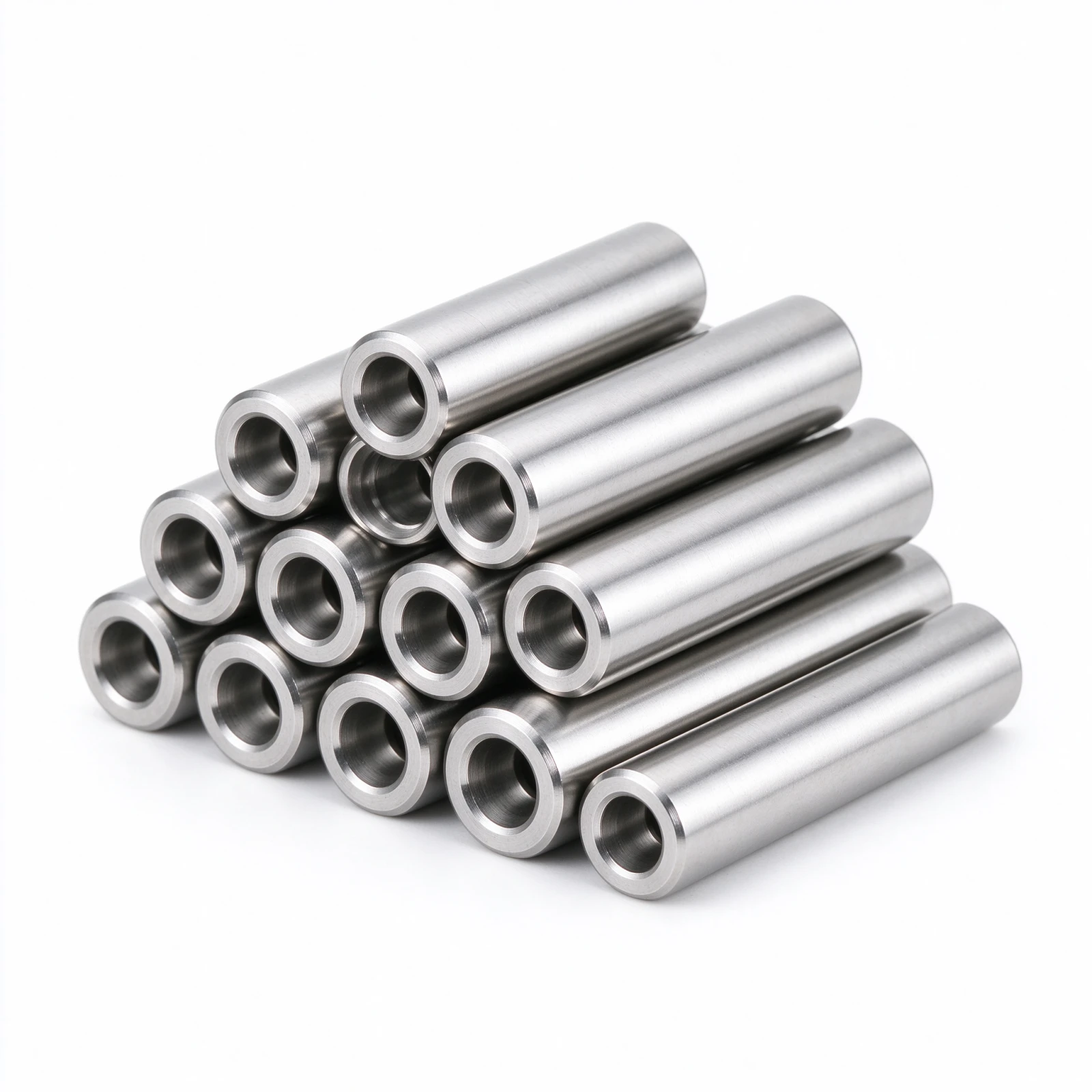
Plain sleeve bushing
Straight-walled sleeve turned in one pass, used as a wear sleeve or a spacer between two faces.
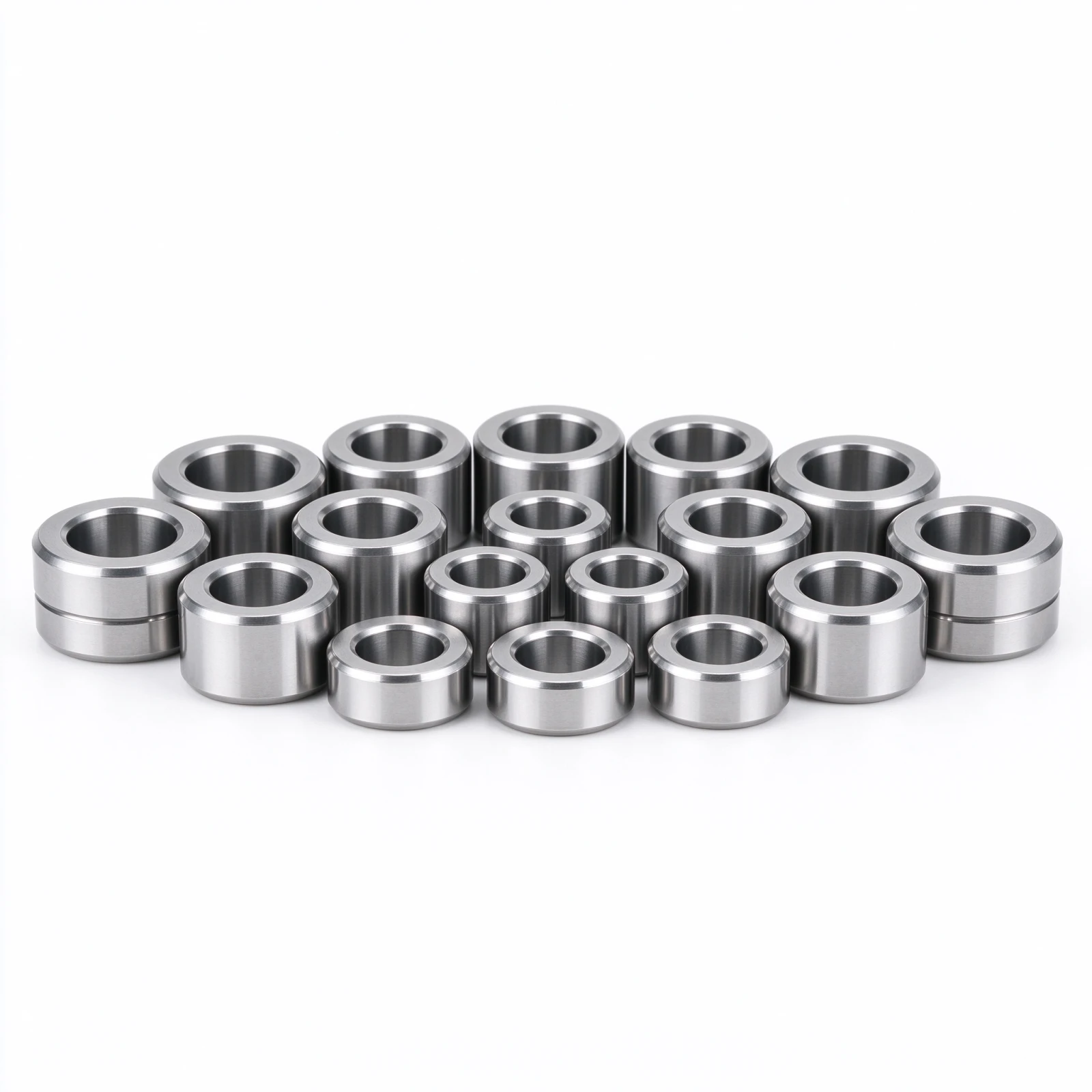
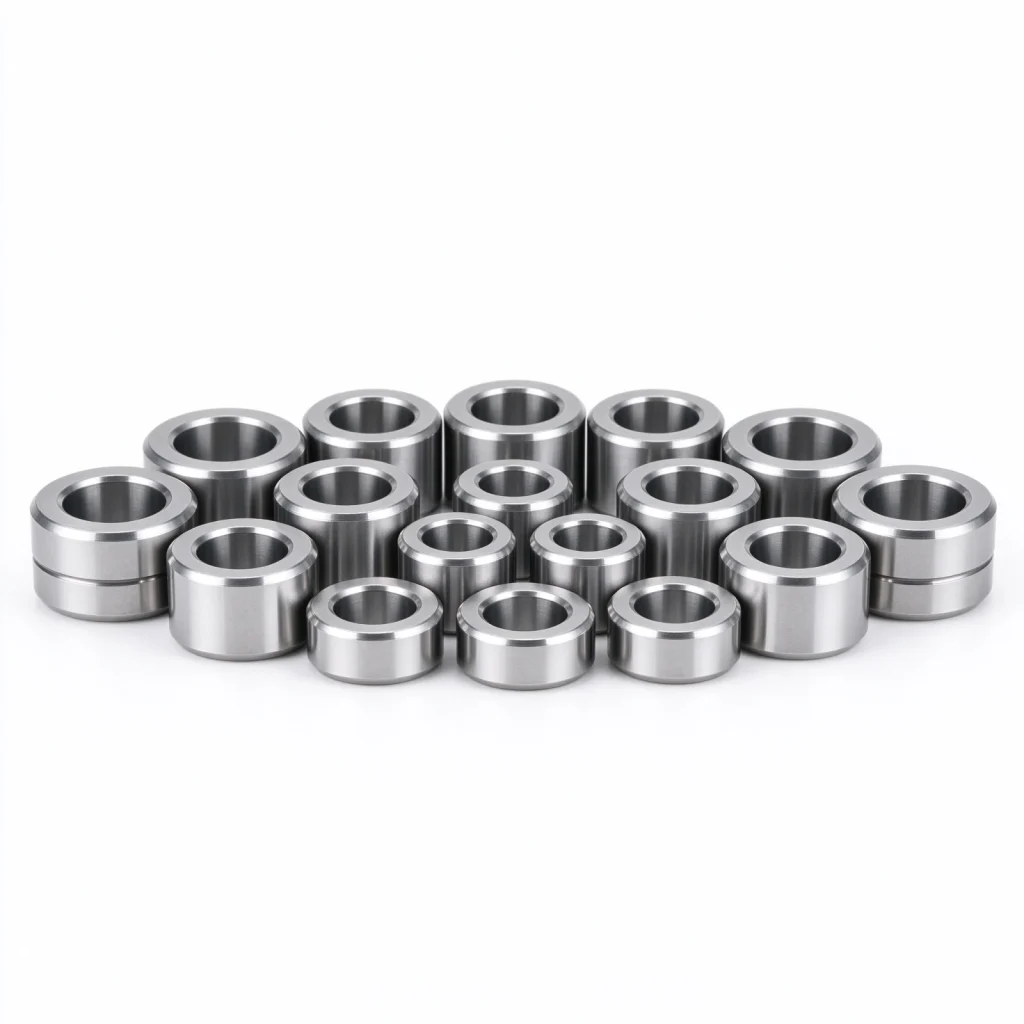
Mixed bore sizes
A single order in several bore sizes, polished and sorted by size before packing.
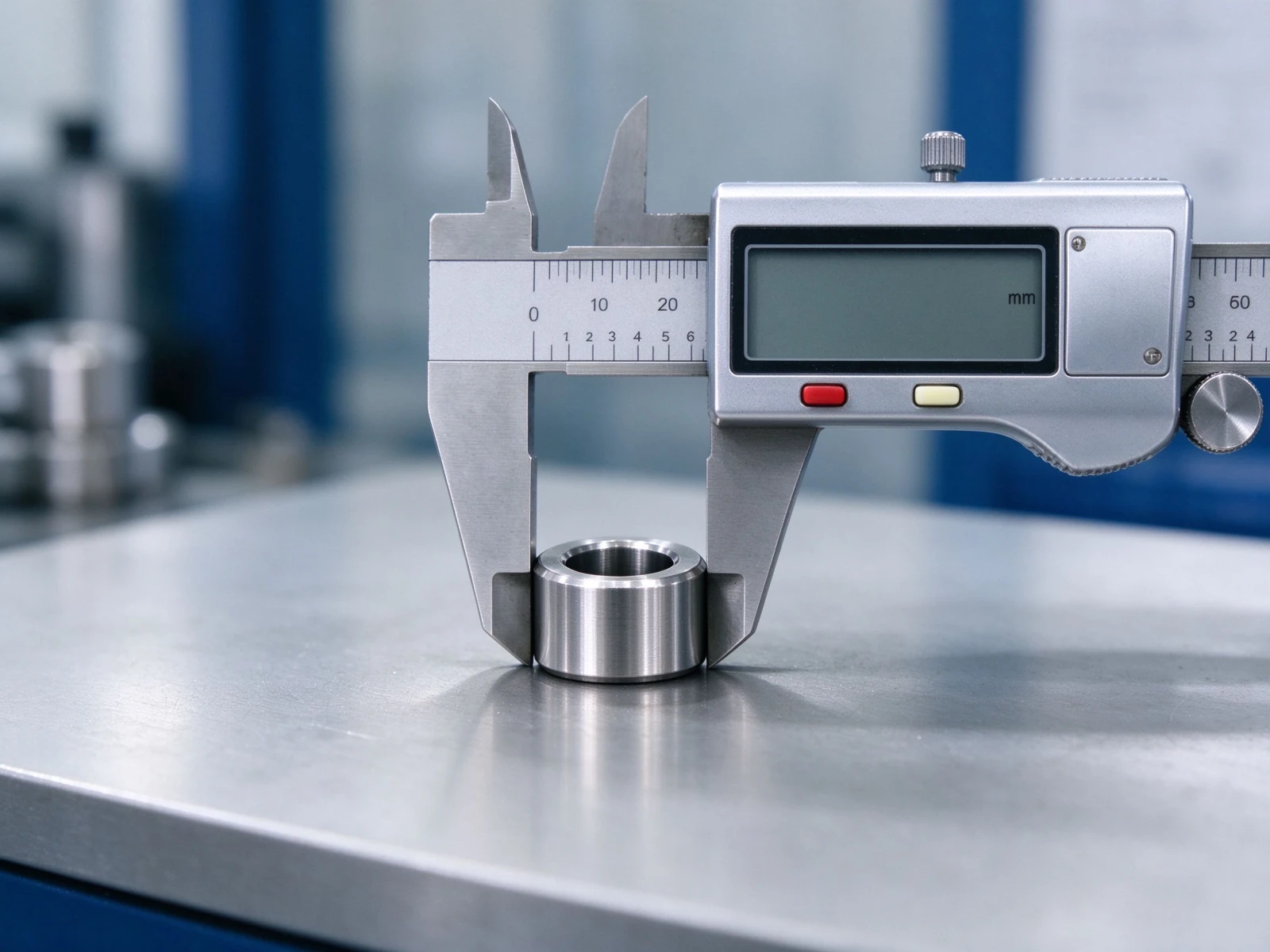
Every bore is checked with a digital caliper at the machine, and the critical diameters with plug gauges that go and no-go against the tolerance on your drawing. The outside diameter is measured at the same time, because wall thickness is what fails first on a thin sleeve. If a diameter matters to your assembly, mark it on the drawing and it goes on the inspection record with the batch.
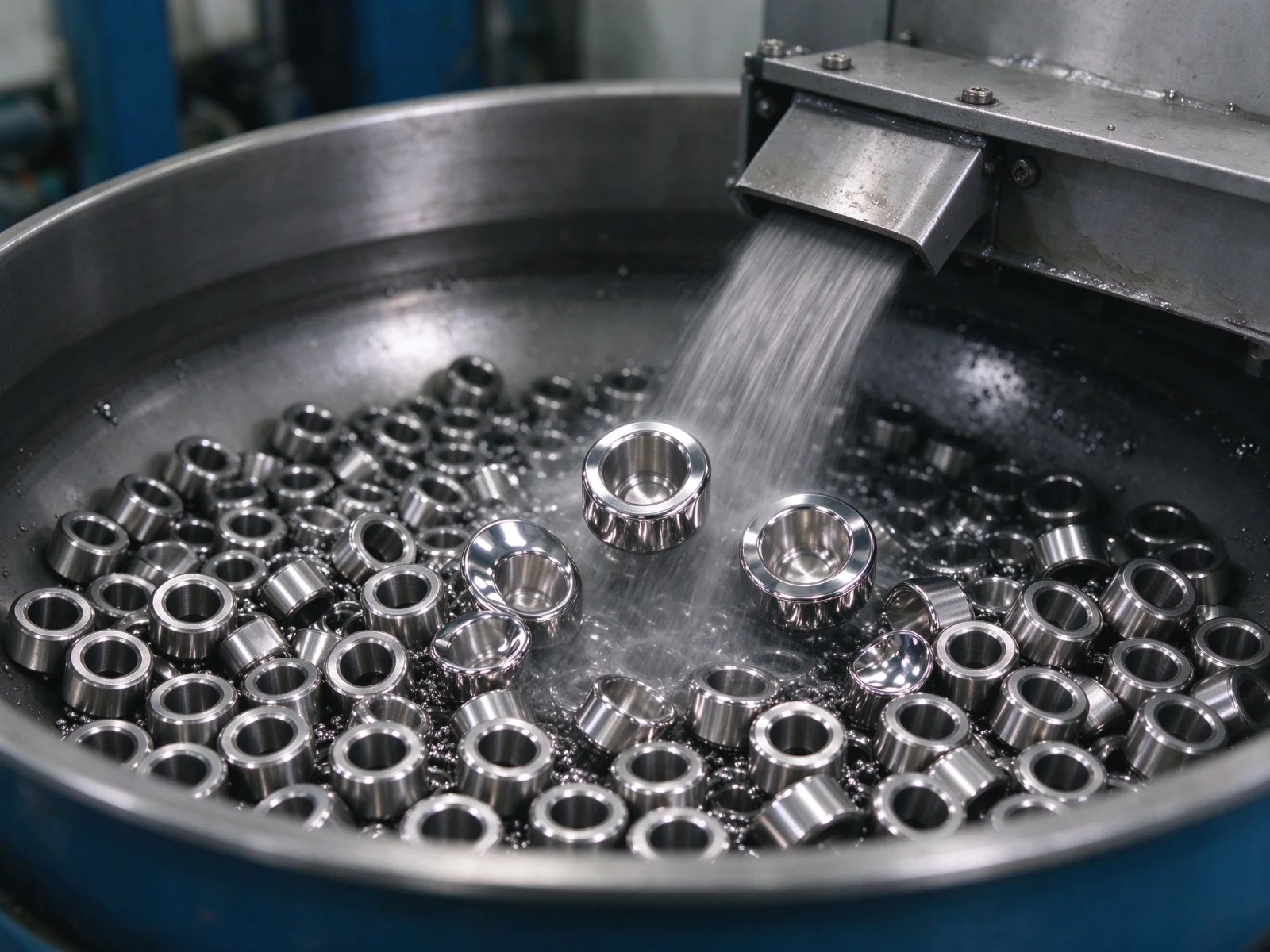
Vibratory deburring
Parts run in a vibratory bowl with ceramic media to break the edges left by turning, before any polishing.
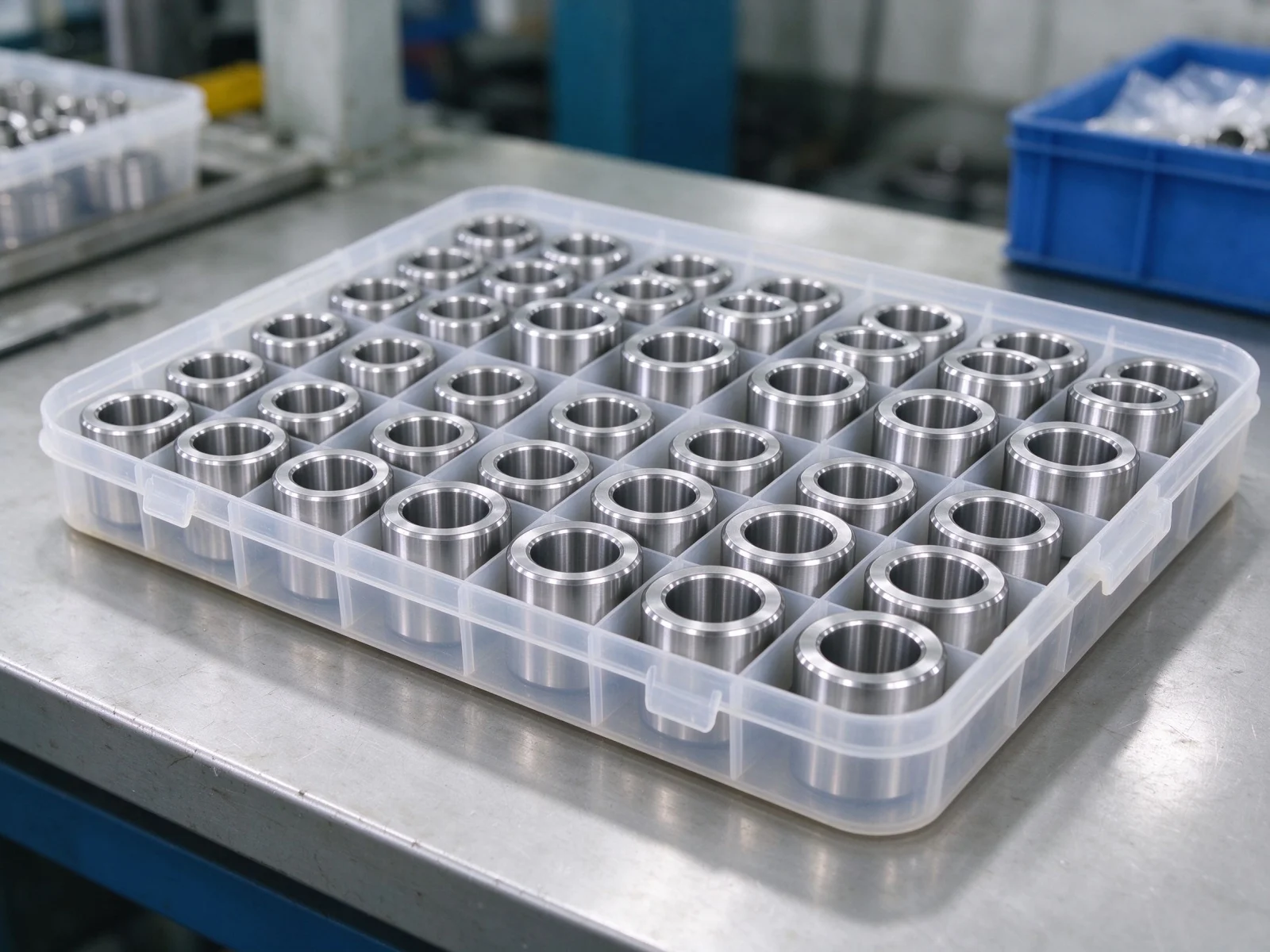
Sorted by bore size
A finished batch in a compartment tray, one bore size per cell, ready for final inspection.
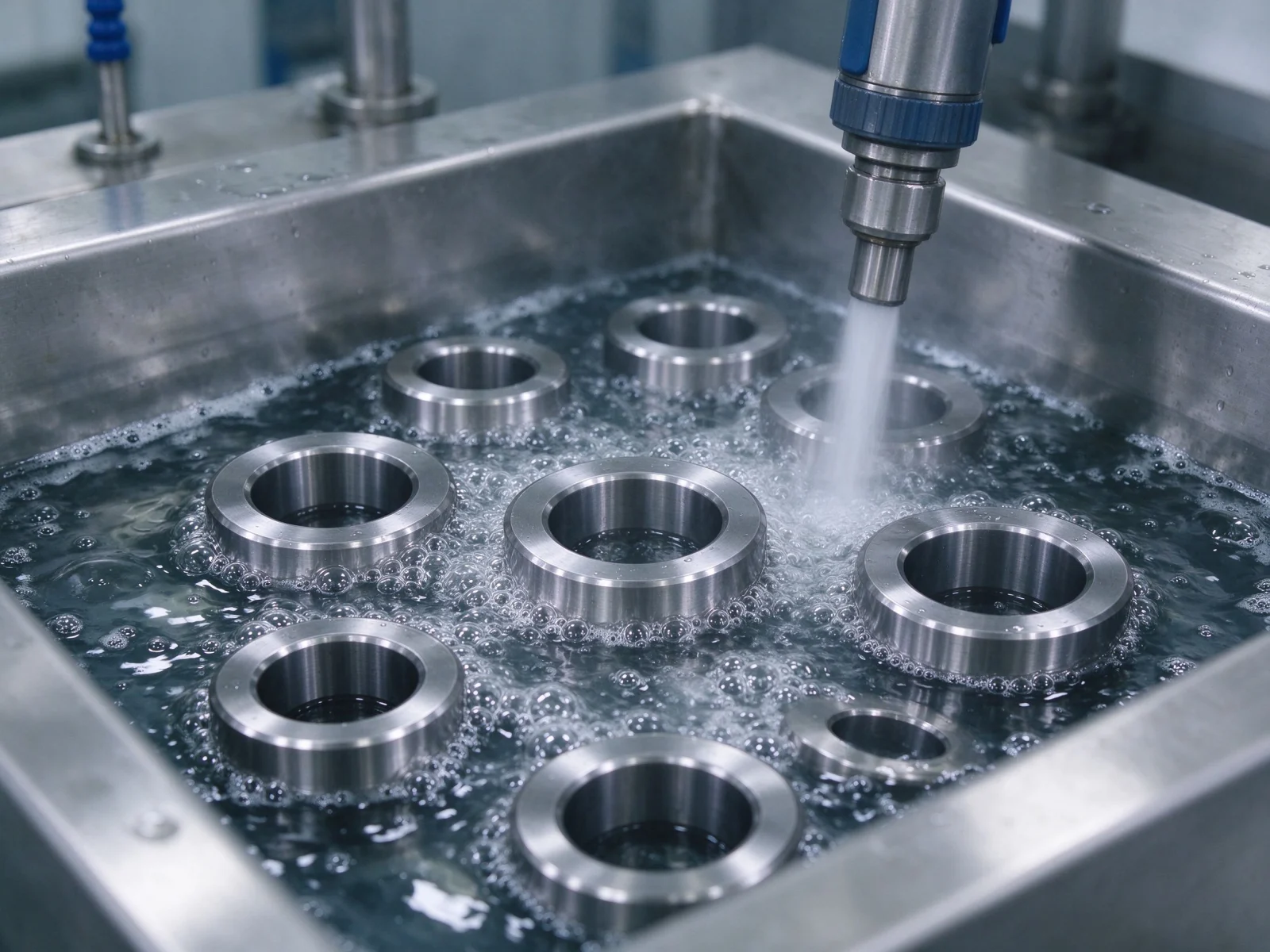
Ultrasonic cleaning
An ultrasonic bath lifts polishing compound out of the bore before passivation or packing.
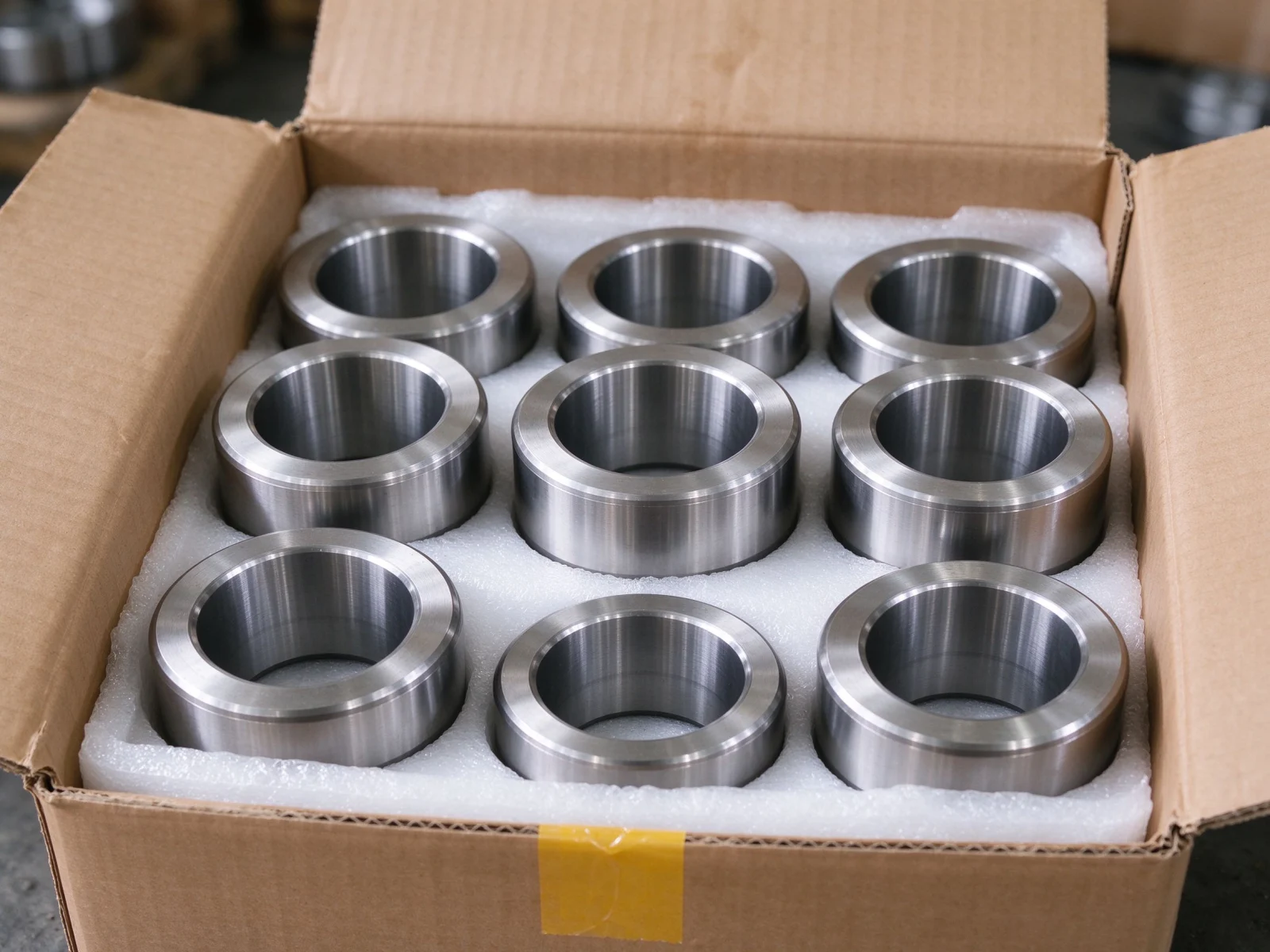
Bushings are bagged in fixed counts by bore size, so a box can go straight to the assembly line without a sorting step. Each layer sits in foam, and small bores are bagged again inside the carton. Lead time is 5 to 10 days from drawing approval, with 100 pieces as the minimum order. If a bag has to be marked for a specific station, say so on the order and the label is printed that way.
A drawing or a 3D model is enough to quote: bore diameter with its tolerance, outside diameter, length, and whether the part is plain, flanged or stepped. Please also state the material, 304 or 316L, and the finish, passivated or mirror polished. If the bushing fits a shaft or a housing you already have, send those two diameters as well. The clearance between them decides the bore tolerance, and it saves a round of samples.
Fill out the form below and we will get back to you as soon as possible.
Contact for quote
Contact for quote
Contact for quote
Contact for quote