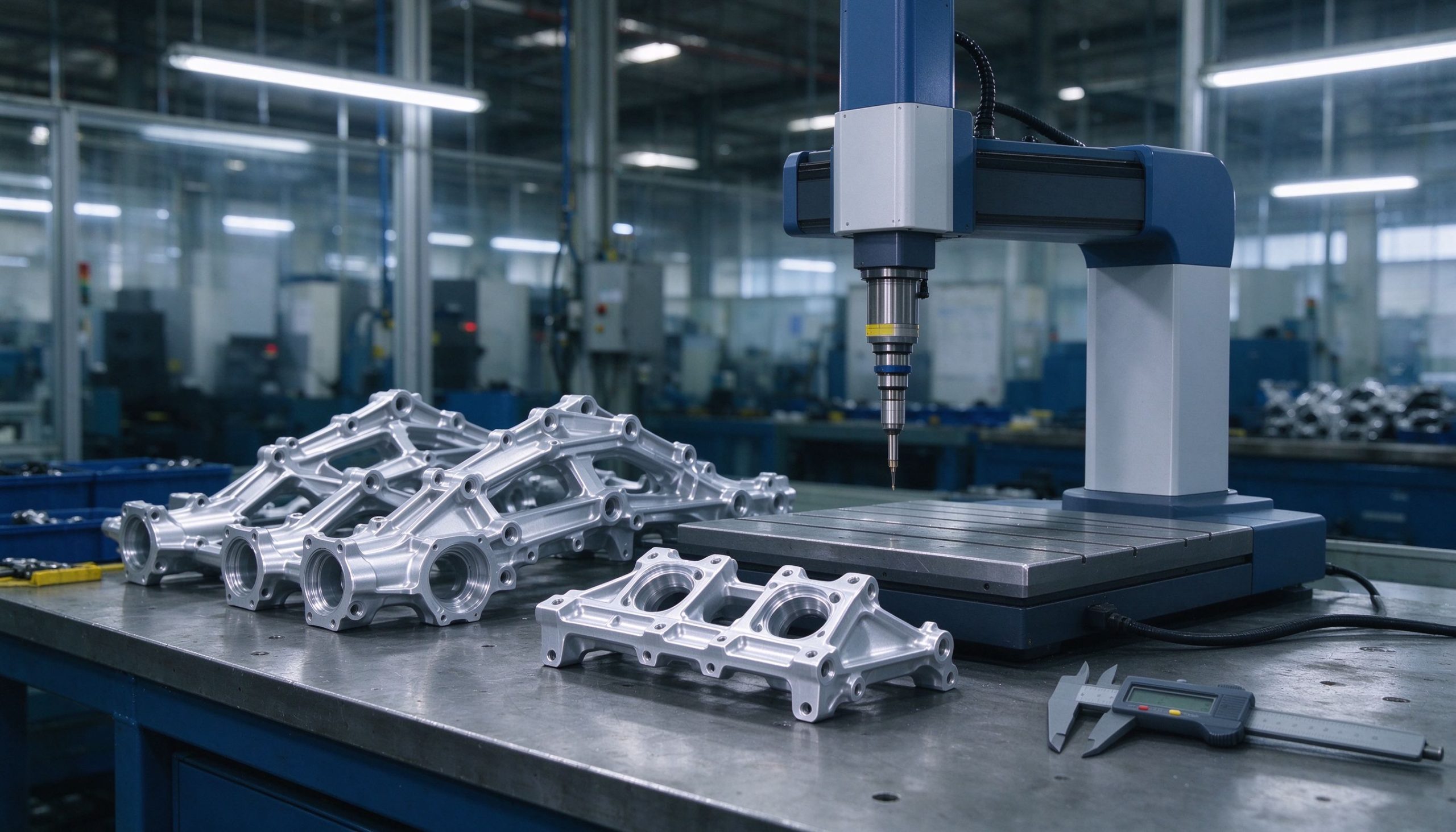
Sourcing automotive precision parts manufacturing is not the same as buying generic CNC machining. Automotive buyers carry audit risk, volume ramp pressure and a zero-defect expectation that most machine shops are not built to handle. Whether you are a Tier-2 supplier, an aftermarket brand or an EV startup, choosing the right manufacturing partner decides whether your program passes audit — or stalls at PPAP.
This guide lays out what automotive buyers should actually audit, beyond a smiling sales rep and a price list.
Automotive parts demand a different quality system
The single fastest disqualifier is certification. General industrial buyers may accept an ISO 9001 shop, but automotive program buyers need IATF 16949 — the automotive-specific quality standard built on ISO 9001, with mandatory defect prevention, supplier controls and core tools like APQP, FMEA, SPC and PPAP.
If a prospective supplier cannot show an IATF 16949 certificate scope that covers your process, you are already off the shortlist. We explain the difference in ISO 9001 vs IATF 16949.
Tolerance and repeatability at volume
Automotive parts — brackets, housings, sensor mounts, transmission components, fasteners — must not just hit tolerance on a sample. They must hit it across 10,000, 100,000, a million pieces. That demands statistical process control: monitoring drift, tool wear and thermal variation over the run rather than inspecting each part one by one.
Tight-tolerance discipline is the baseline — see our tight tolerance machining guide. The capability to hold ±0.005–0.02 mm repeatedly is what separates a prototype shop from a production automotive source.
Material traceability and lot control
Automotive failures trace. A serious supplier ships certified material per lot, with mill certificates, heat-lot records and full traceability from bar stock to finished part. If a recall ever traces back to a batch, you need the supplier who can isolate that batch in hours, not weeks.
This matters even more for safety-adjacent components — brake, steering and drivetrain hardware — where a single bad heat-lot is a regulatory event, not just a quality complaint. Ask how the supplier segregates certified material, how it links a finished part back to its heat-lot record, and what documentation travels with each shipment. The answer separates a trading company from a real manufacturer.
Prototyping to production without rework
Automotive programs rarely start at full volume. They start with validation, then ramp. The mistake many buyers make is using a different shop for prototype and production — and watching tolerances drift when the program scales.
The fix is one factory that does both, on the same process. We cover the method in from prototype to production without rework. You can see it in practice in the Autopartes Monterrey automotive case study, where a machined prototype matured into a standing multi-part supply program.
What to actually audit on the factory floor
When you visit or audit an automotive supplier, check:
- Certification scope — IATF 16949 covering your specific process, not just a neighboring one.
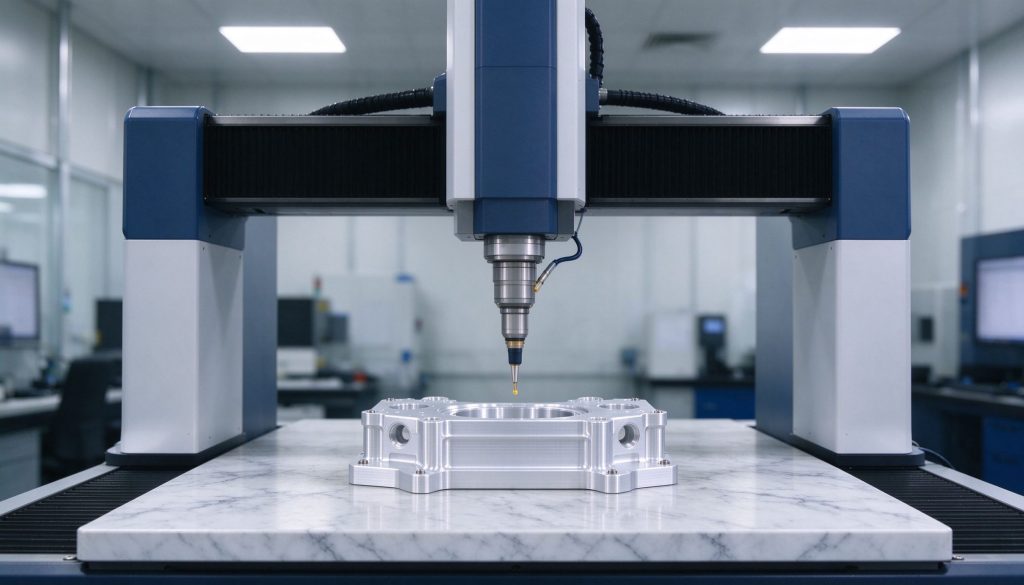
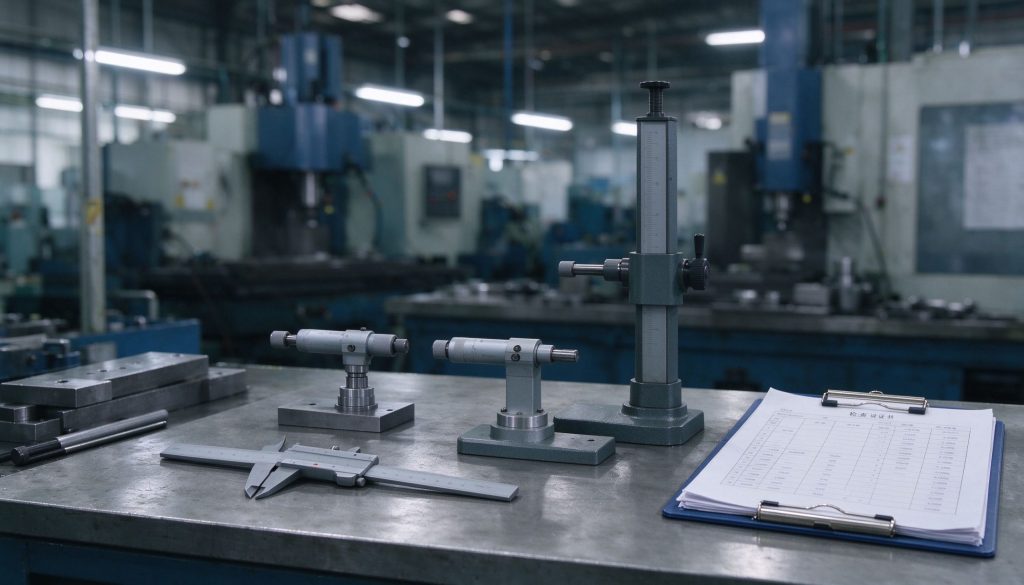
- Inspection capability — CMMs, gauges and a documented sampling plan, not spot checks.
- Process control evidence — SPC charts, FMEA documentation, PPAP readiness.
- Capacity realism — enough machines and lines to absorb your ramp without subcontracting your quality away.
- After-hours responsiveness — automotive issues do not wait for business hours.
Fasteners and machined parts under one roof
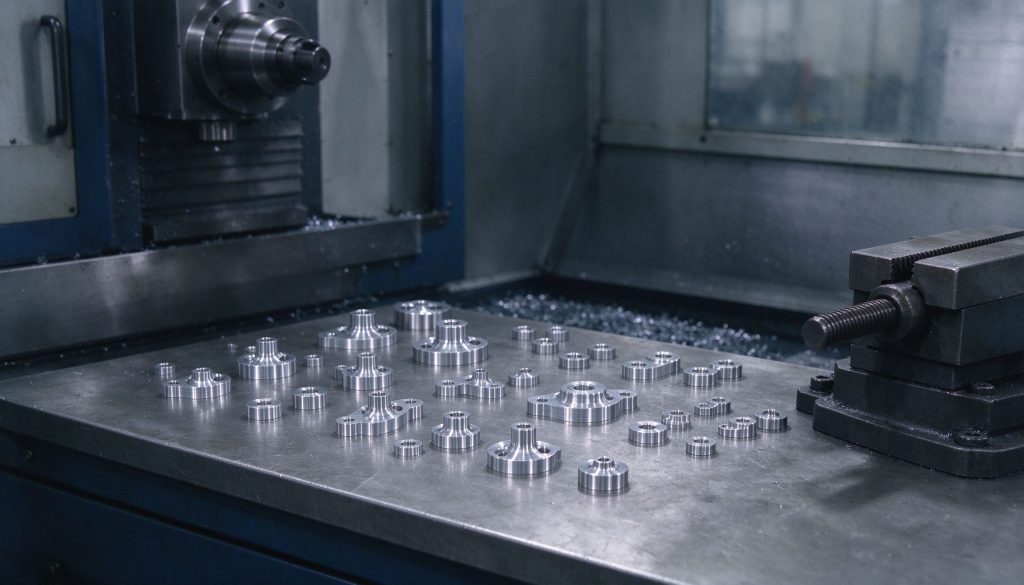
Automotive buyers often need both precision machined components and non-standard fasteners — bolts, nuts, screws, pins — sourced consistently. Consolidating them with one IATF-controlled supplier removes handoff risk. PufferGo produces both precision CNC machined parts and custom fasteners on the same quality loop, supported by our OEM fastener and CNC parts supply program.
The bottom line for automotive buyers
Choose a manufacturing partner that already speaks IATF 16949, holds tolerance at volume, traces every lot, and scales with you from prototype to production. The cheapest quote that fails audit is the most expensive one you will ever issue.
Also evaluate communication before you award the program. Automotive engineering changes constantly — drawing revisions, material substitutions, schedule pulls. A supplier who responds within hours, flags manufacturability problems on your drawing, and treats your PPAP as a shared deliverable will save you more over a three-year program than any per-part price discount. That 24-hour responsiveness is part of the manufacturing capability, not a customer-service nicety.
PufferGo's 12,000 m² Dongguan facility operates 50 imported 5-axis machines across 8 lines, with a 99.2% first-pass yield, 200+ staff and exports to 50+ markets — including automotive programs in North America and Europe. A decade of focus, only precision parts done right.
Ready for an audit or a PPAP-ready first article? Contact our automotive quality team at sales@puffergo.com / +86 138 1234 5678 — we will share our IATF scope and inspection documentation before your first part.
0 Comments