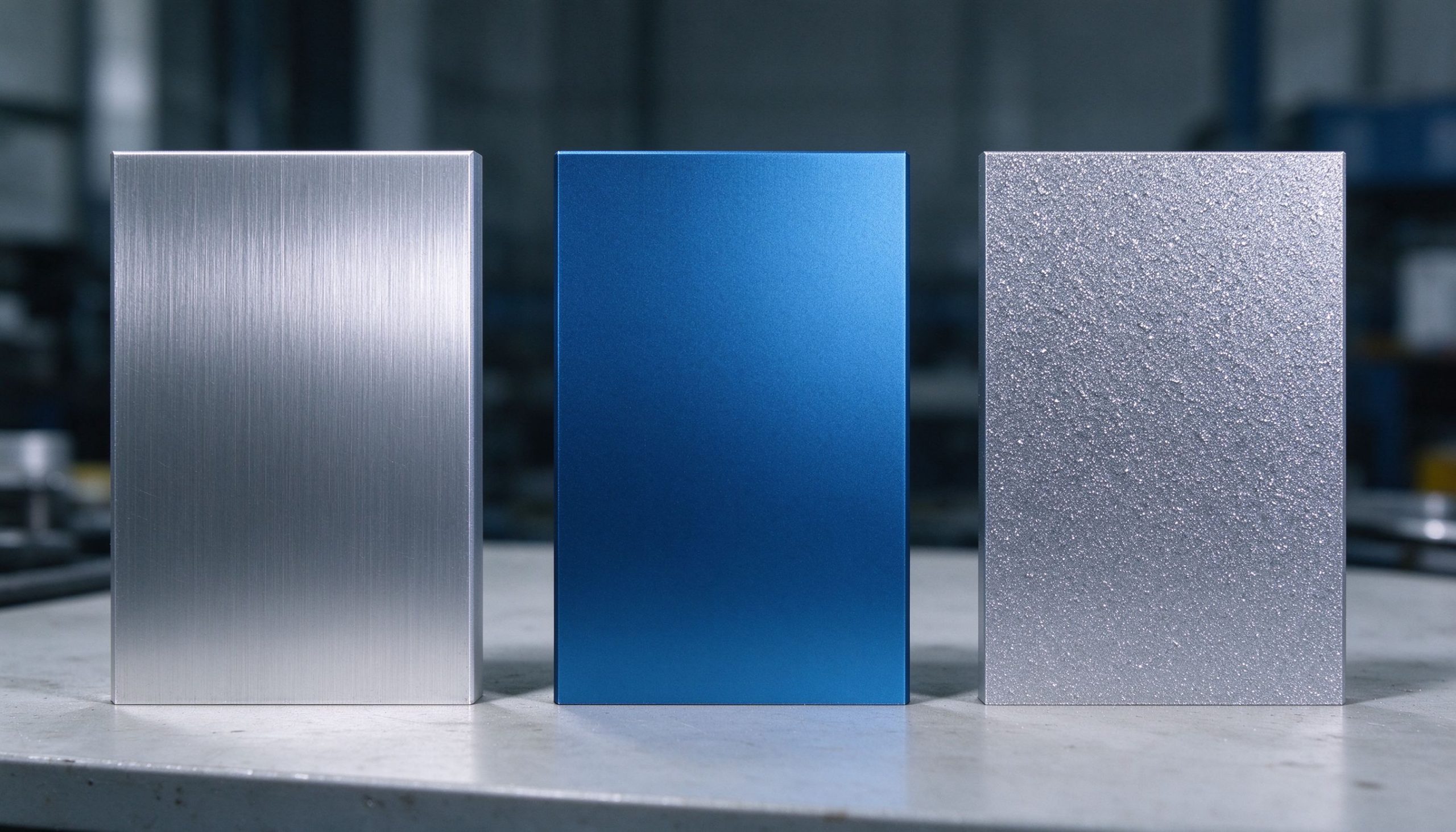
A part that machines to the right tolerance can still fail inspection — or fail in the field — if its CNC surface finish is wrong. The surface determines corrosion resistance, friction, cleanliness, wear and how a product feels in the customer's hand. Yet finish is also the most under-specified step on drawings, often left as "as machined" with no Ra value.
This guide covers the finishes buyers most often request after CNC machining — anodizing, bead blasting, passivation and powder coating — so you can specify the right one for the right reason.
As-machined surface: the baseline
Right off the mill, parts typically land around Ra 1.6–3.2 µm. That is functional but visibly tool-marked. It is fine for hidden internal components, but for visible housings or seal surfaces you will usually want a secondary process. The achievable baseline depends heavily on material — aluminum cuts to a finer finish than titanium, which is why our materials guide matters before finish selection.
Anodizing: aluminum's protective, decorative upgrade
Anodizing is an electrolytic conversion layer that grows on aluminum. It is hard, corrosion-resistant and can be dyed almost any color.
- Type II (standard) — decorative, medium wear resistance, the default for consumer enclosures.
- Type III (hard coat) — thicker, much harder, used where wear and abrasion are real.
Anodizing also seals the porous aluminum surface, which is why it pairs so naturally with 6061 housings. Note: the anodized layer adds a few microns, so if a precision bore is anodized, size it accordingly.
Bead blasting: uniform matte, hides machining marks
Bead blasting fires fine media at the surface to produce a uniform matte texture. It is the go-to finish when you want to remove visible tooling lines and give a consistent, premium-looking surface before anodizing or powder coating. It also slightly breaks sharp edges and reduces reflectivity.
Passivation: stainless corrosion protection, not a cosmetic finish
Passivation is not decorative — it is a chemical bath that removes free iron embedded during machining and leaves a passive chromium-oxide layer. For stainless parts, especially in medical, food or marine environments, it is the difference between a surface that rusts and one that stays clean. It is effectively invisible, which is exactly the point.
Medical buyers should read how finish sits inside the bigger process choice in CNC machining vs casting for medical devices.
Powder coating: durable, color-rich protection
For steel or aluminum parts needing tough, high-build color protection, powder coating delivers a thick, wear-resistant film in almost any RAL color. It is more durable than wet paint but adds measurable thickness, so bearing surfaces need masking.
Which finish should you specify?
- Visible aluminum enclosure, branded color → anodize (often over bead blast).
- Consistent matte look, hiding tool marks → bead blast.
- Stainless in wet/medical environment → passivate.
- Steel part needing tough colored protection → powder coat.
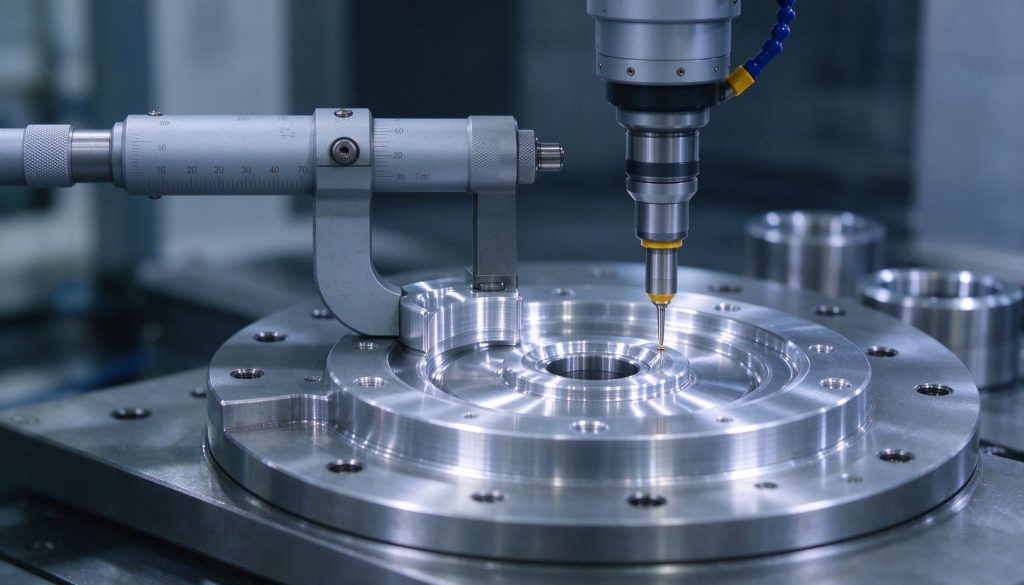
Always put the Ra value and the process on the drawing, and flag any feature that must stay within tolerance after the finish layer.
Finish is part of the precision, not an afterthought
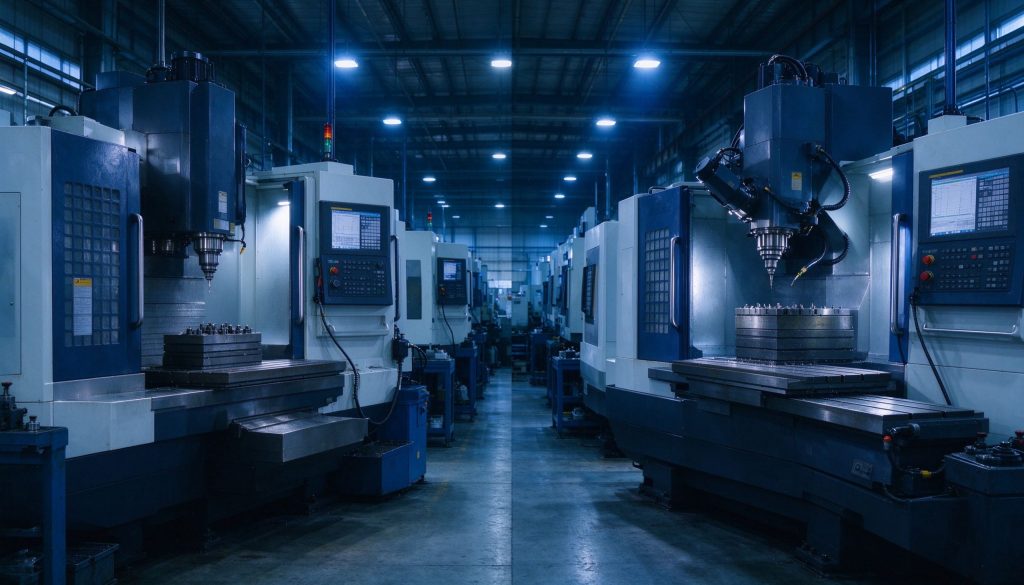
At PufferGo, secondary finishing is integrated into the same precision CNC manufacturing workflow as machining, so finish and inspection stay on one controlled quality loop — 99.2% first-pass yield across 8 production lines. We ship to medical and industrial brands in 50+ countries. A decade of focus, only precision parts done right.
Need help matching a finish to your material and tolerance? Contact us at sales@puffergo.com / +86 138 1234 5678 — we will advise on finish selection before you cut the first part.
0 Comments